

Introduction
Food traditions around the world are deeply connected with culture, history, and identity. One fascinating concept that highlights this connection is Maslaaseen, a term often associated with the blending of spices and culinary traditions across regions. From the ancient spice routes of Asia to modern kitchens across the globe, spice blends have played a vital role in shaping the flavors and identities of different cuisines.
Throughout history, people have used carefully balanced mixtures of herbs and spices to enhance the taste of food and preserve culinary traditions. In many cultures, these mixtures represent more than flavor—they symbolize heritage, family customs, and shared experiences. Today, the concept of Maslaaseen reflects this long-standing tradition of combining spices to create rich and memorable dishes.
Understanding the meaning, historical background, and cultural value of such culinary practices provides insight into how food traditions evolve while preserving their roots.
Understanding the Meaning of Maslaaseen
The term Maslaaseen generally refers to a complex mixture of spices or seasonings used to enhance flavor in various cuisines. These blends often contain ingredients such as cumin, coriander, turmeric, cinnamon, and cloves, each contributing its own aroma and taste. When combined, these spices create a balanced flavor profile that transforms simple ingredients into flavorful dishes.
In many culinary traditions, spice blends are not random mixtures. Instead, they are carefully prepared combinations developed over generations. Each region and family may have its own unique recipe, reflecting local ingredients, climate, and cultural influences.
The concept of spice blending represents creativity and knowledge passed down through generations. Many cooks learn the art of preparing these blends from parents or grandparents, making the tradition both personal and cultural.
Historical Origins of Maslaaseen
The historical roots of Maslaaseen can be traced back to ancient trade routes that connected Asia, the Middle East, and Europe. Spices were among the most valuable commodities in early civilizations. Traders transported them across vast distances, introducing new flavors and cooking methods to different cultures.
During the era of the Silk Road and maritime trade routes, merchants carried spices such as pepper, cinnamon, cardamom, and cloves across continents. These ingredients gradually became essential components in local cuisines. Over time, communities developed their own spice combinations, which later evolved into distinctive culinary traditions.
The demand for spices also played a major role in world exploration. European explorers traveled across oceans searching for direct access to spice-producing regions. As a result, culinary traditions blended and expanded, spreading the idea of spice mixtures across cultures.
This historical movement of spices laid the foundation for many modern culinary practices, demonstrating how food can connect distant societies.
Cultural Importance of Maslaaseen
In many societies, cooking is more than preparing food—it is a reflection of culture, identity, and tradition. Spice blends often hold symbolic value because they represent the collective culinary knowledge of a community.
Families frequently pass down recipes through generations, preserving their cultural heritage. Preparing traditional spice blends can become a ritual that connects individuals to their ancestors and cultural roots.
In South Asian and Middle Eastern cultures, spice boxes containing multiple ingredients are common in kitchens. These boxes represent the diversity of flavors and the importance of balance in cooking. Each spice plays a specific role in creating a harmonious taste.
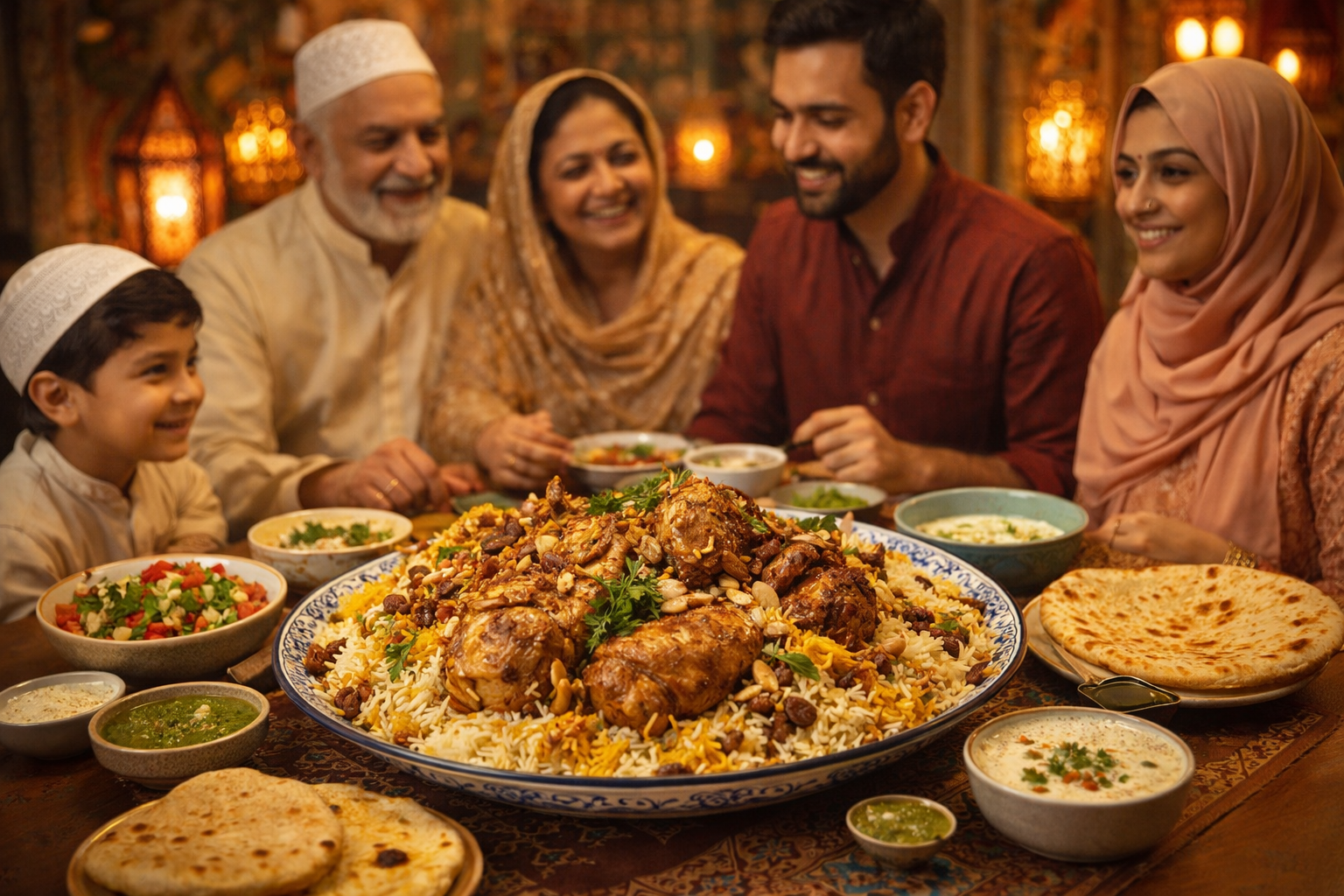
Food festivals, religious celebrations, and family gatherings often feature dishes prepared with traditional spice blends. These meals help maintain cultural identity and strengthen social bonds within communities.
Culinary Uses and Global Influence
The influence of Maslaaseen can be seen in numerous dishes around the world. From rich curries and stews to grilled meats and rice dishes, spice blends add depth and complexity to food.
In South Asian cuisine, blends are used to prepare dishes such as biryani, curry, and lentil stews. Middle Eastern cooking also relies heavily on aromatic spice combinations for meat, rice, and vegetable dishes.
Beyond traditional cuisines, modern chefs experiment with new flavor combinations inspired by these spice traditions. Restaurants around the world now incorporate elements of global spice blends into contemporary dishes.
This fusion of flavors demonstrates how traditional culinary knowledge can inspire innovation while preserving cultural identity.
Health and Wellness Aspects
Many spices used in traditional blends also provide health benefits. For centuries, herbs and spices have been used not only for flavor but also for medicinal purposes.
Turmeric is widely known for its anti-inflammatory properties, while cinnamon and cloves contain antioxidants that support overall health. Cumin and coriander are often used to aid digestion and improve metabolism.
These natural ingredients make spice blends both flavorful and beneficial for well-being. When used in balanced amounts, they contribute to a healthy and nutritious diet.
The combination of taste and wellness is one reason these traditions have remained popular for centuries.
Maslaaseen in Modern Culture
In modern times, global travel, digital media, and culinary tourism have introduced people to diverse food traditions. Cooking shows, food blogs, and cultural festivals have helped spread awareness about traditional spice blends.
Today, many home cooks and professional chefs explore new ways to incorporate these flavors into their dishes. Grocery stores and online markets also provide access to ingredients that were once difficult to find outside their regions of origin.
This growing interest in global cuisine has strengthened appreciation for traditional cooking methods and cultural heritage.
Conclusion
Maslaaseen represents far more than a mixture of spices. It reflects centuries of history, cultural exchange, and culinary creativity. Through ancient trade routes and cultural interactions, spice traditions traveled across continents, shaping the cuisines we enjoy today.
The practice of blending spices illustrates how food can preserve heritage while adapting to new influences. From family kitchens to international restaurants, these traditions continue to inspire chefs and home cooks alike.
As people explore global cuisine and rediscover traditional recipes, the cultural and historical significance of Maslaaseen remains strong. It serves as a reminder that food is not only nourishment but also a powerful expression of culture, identity, and shared human history.
FAQs
What does Maslaaseen mean?
Maslaaseen generally refers to a blend of spices used to enhance the flavor of food in many traditional cuisines.
Where did Maslaaseen originate?
The concept developed through ancient spice trade routes connecting Asia, the Middle East, and other regions.
Why are spice blends important in culture?
They represent culinary traditions passed down through generations and help preserve cultural identity.
Are spice blends healthy?
Yes, many spices used in these blends contain antioxidants and medicinal properties that support overall health.
Can Maslaaseen be used in modern cooking?
Absolutely. Modern chefs often experiment with traditional spice blends to create innovative and flavorful dishes.
