

Introduction
Cricket has long been considered a gentleman’s game, celebrated for its spirit, discipline, and global popularity. Yet, even in a sport known for tradition and respect, tragic moments can occur that reshape the future of the game. One such moment was the heartbreaking incident involving Phillip Hughes. The Phillip Hughes Death shocked not only Australia but also the entire cricketing world, leaving fans, players, and officials in deep mourning. His sudden passing raised serious questions about safety in cricket and forced governing bodies to rethink protective equipment and rules. Although cricket has always carried some risks, the tragedy revealed vulnerabilities that had previously been overlooked.
Phillip Hughes was a talented Australian cricketer known for his fearless batting and determination. His promising career and youthful energy made him a beloved figure among teammates and fans. However, the events of November 2014 changed cricket history forever.
The Rising Career of Phillip Hughes
Phillip Hughes was born in Macksville, New South Wales, Australia. From a young age, he showed extraordinary talent in cricket and quickly progressed through junior and domestic levels. His aggressive batting style and ability to score runs consistently helped him secure a place in Australia’s national team.
Hughes made his Test debut for Australia in 2009 and soon became known for his ability to handle fast bowling and challenging conditions. During his career, he played 26 Test matches and scored several memorable centuries. Teammates admired his dedication and work ethic, while fans appreciated his humble personality.
Despite facing challenges and occasional setbacks, Hughes remained determined to prove himself as a top-level cricketer. Many experts believed he still had a long and successful career ahead. Tragically, the Phillip Hughes Death occurred at a time when he was working hard to regain a permanent place in the Australian Test side.
The Incident That Shocked the World
On 25 November 2014, during a Sheffield Shield domestic match at the Sydney Cricket Ground, Phillip Hughes was batting for South Australia against New South Wales. During the match, he attempted to play a short-pitched delivery bowled by Australian fast bowler Sean Abbott.
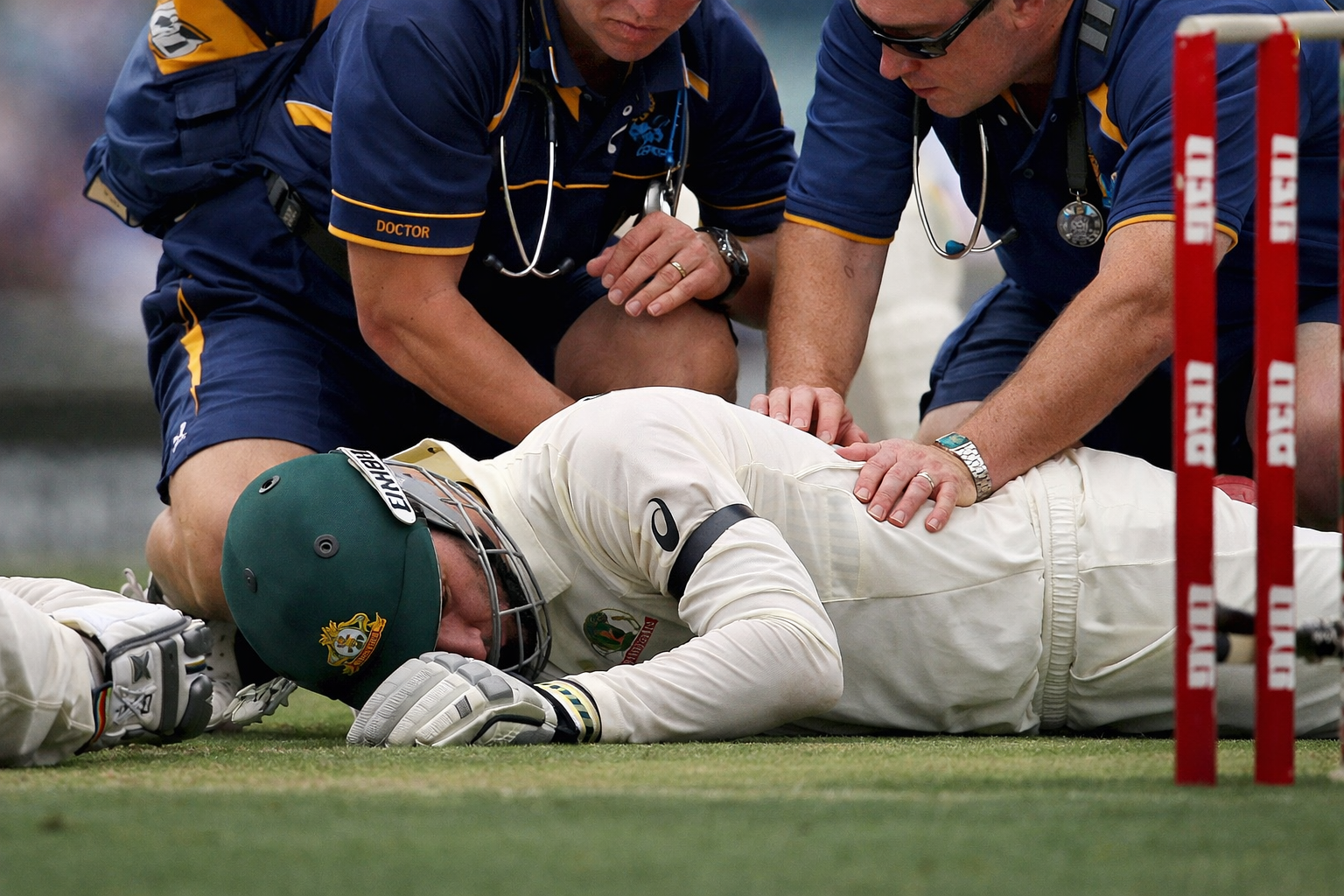
The ball unexpectedly struck Hughes on the neck, just below the helmet. Moments later, he collapsed on the pitch. Medical staff rushed onto the field, and Hughes was quickly transported to a hospital in Sydney.
Doctors worked tirelessly to save him, performing emergency surgery after he suffered a severe brain hemorrhage caused by a rare injury to the vertebral artery. Sadly, he never regained consciousness. Two days later, on 27 November 2014, the world learned the devastating news of the Phillip Hughes Death, which occurred just days before his 26th birthday.
Global Reaction and Tributes
The tragedy sparked an overwhelming wave of grief across the cricket community. Players from around the world paid tribute to Hughes through emotional messages, moments of silence, and symbolic gestures.
One of the most powerful tributes came through the phrase “63 not out,” representing Hughes’ score at the time of the incident. Cricket fans and players shared this message across social media, symbolizing that his innings—and his legacy—would live on forever.
Cricket matches across Australia and other countries were postponed as players struggled to process the loss. Fans gathered outside stadiums, placing bats, flowers, and jerseys in honor of Hughes. The Phillip Hughes Death united the global cricket community in a rare moment of shared sorrow.
Investigations and Findings
Following the tragedy, Cricket Australia launched an independent investigation to understand exactly what had happened. The review examined the medical response, protective equipment, and circumstances surrounding the incident.
The investigation concluded that Hughes suffered a rare and catastrophic injury after being struck in a vulnerable area of the neck. Experts stated that even newer helmet designs might not have prevented the fatal injury because the ball struck a part of the neck not fully protected by helmets.
The report also confirmed that the medical response on the field was appropriate and timely. The tragic outcome was described as a freak accident rather than the result of negligence.
Nevertheless, the Phillip Hughes Death prompted cricket authorities to review safety measures across the sport.
Safety Changes in Cricket
Although the accident was rare, it highlighted the need for improved safety standards. Cricket authorities around the world began implementing several new measures aimed at reducing risk.
One of the most important changes involved helmet standards. Players facing fast or medium-paced bowling were required to wear helmets that meet the latest international safety regulations. Close-in fielders and wicketkeepers standing near the stumps were also encouraged or required to wear protective helmets in certain situations.
Additionally, many players began using neck guards attached to helmets to provide extra protection. Cricket boards also introduced concussion substitute rules to ensure injured players could be safely replaced during matches.
These changes were implemented partly because the Phillip Hughes Death reminded cricket authorities that even rare risks must be addressed to protect players.
Legacy of Phillip Hughes
Phillip Hughes may have left the world too soon, but his legacy continues to influence cricket today. His story reminds players and fans of the unpredictable nature of sports and the importance of safety.
In Australia, Hughes is remembered not only as a talented cricketer but also as a kind and humble person. His hometown of Macksville continues to honor his memory, and many young players look up to him as an inspiration.
Documentaries, memorial matches, and tributes continue to celebrate his life and achievements. More importantly, the safety improvements introduced after the Phillip Hughes Death ensure that future generations of cricketers can play the game with better protection.
Although his career was tragically cut short, Phillip Hughes remains an unforgettable figure in cricket history.
Conclusion
The tragic story of Phillip Hughes represents one of the most emotional moments in modern cricket. His sudden passing reminded the world that even a beloved sport like cricket carries risks that must be carefully managed. The Phillip Hughes Death led to important discussions about safety, equipment standards, and player welfare.
Today, many of the safety measures adopted in cricket are part of Hughes’ lasting legacy. His life and career continue to inspire cricketers around the world, while his story serves as a powerful reminder of the importance of protecting athletes. Although the cricket community lost a remarkable player, the changes that followed ensure that his impact on the game will never be forgotten.
FAQs
What caused Phillip Hughes’ death?
Phillip Hughes died after being struck on the neck by a cricket ball during a domestic match in 2014. The impact caused a rare vertebral artery injury that led to a brain hemorrhage.
When did Phillip Hughes pass away?
Phillip Hughes passed away on 27 November 2014, two days after the on-field incident.
Who bowled the ball that struck Phillip Hughes?
The delivery was bowled by Australian fast bowler Sean Abbott during a Sheffield Shield match.
Did safety equipment fail to protect Phillip Hughes?
Investigations showed that Hughes was wearing a helmet, but the ball struck a vulnerable area of the neck that was not fully protected.
What changes were made in cricket after the incident?
Cricket authorities introduced stricter helmet standards, encouraged neck guards, and improved concussion protocols to enhance player safety.
