

Introduction
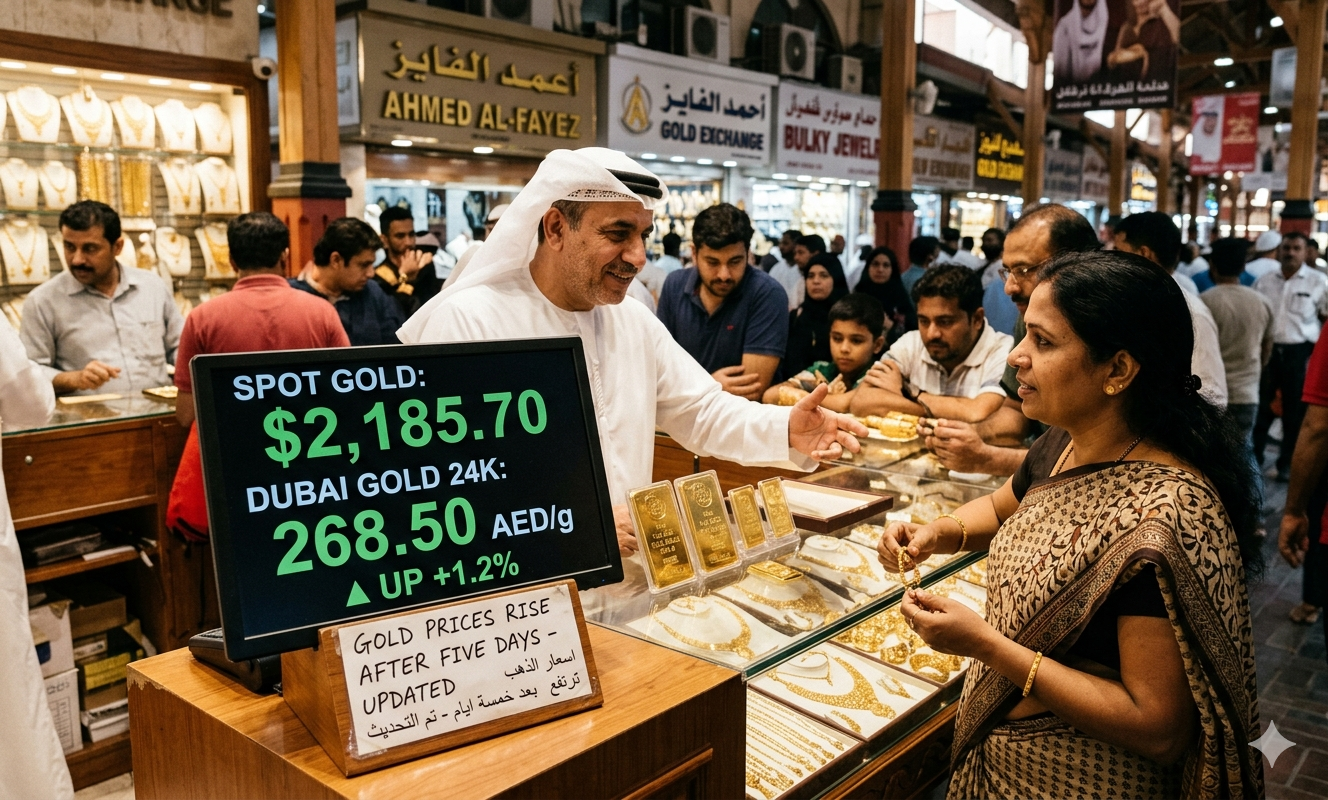
After remaining stable for several days, global and local bullion markets finally witnessed a noticeable upward movement in gold rates. Investors and traders closely monitored this shift as precious metals regained momentum following a brief pause. The latest movement in prices reflects changing market sentiment influenced by international economic trends. The recent gold price increase has once again drawn attention from analysts, investors, and buyers across the world.
Global Market Update
In the international bullion market, gold recorded a strong rebound after a five-day break. The price of gold per ounce increased by $23, pushing the new global rate to $4,708 per ounce.
This rise indicates renewed investor interest in safe-haven assets amid global uncertainty. Additionally, fluctuations in currency markets and inflation expectations have contributed to this upward trend. The latest gold price increase reflects how sensitive global markets remain to economic and geopolitical developments.
Experts believe that even minor changes in global financial conditions can significantly impact gold prices, making the market highly dynamic and unpredictable.
Local Market Performance
In local bullion markets, a similar upward trend was observed. The price of 24-carat gold per tola increased by Rs2,300, reaching a new level of Rs493,162 per tola.
Similarly, the price of gold per 10 grams rose by Rs1,971, bringing it to Rs422,806. This consistent movement in both global and domestic markets highlights the interconnected nature of pricing trends. The gold price increase in local markets is directly influenced by international rates, currency exchange fluctuations, and demand patterns.
Jewelry traders reported increased activity following the price adjustment, as buyers reacted quickly to the new rates.
Silver Market Movement
Alongside gold, silver also experienced a noticeable rise in prices. The price of silver per tola increased by Rs92, reaching Rs8,049 in local markets. Meanwhile, the price of silver per 10 grams went up by Rs79, settling at Rs6,900.
Although silver movements are generally less volatile than gold, they often follow similar trends. The current gold price increase has indirectly influenced silver markets, as both metals are considered alternative investment options during economic uncertainty.
Reasons Behind the Price Rise
Several factors contributed to the recent increase in gold prices. Firstly, global economic uncertainty has encouraged investors to move toward safer assets like gold. Secondly, fluctuations in the US dollar have also impacted bullion pricing.
Additionally, inflation concerns in major economies have increased demand for precious metals. As a result, the gold price increase reflects broader financial instability and investor caution in global markets.
Market analysts also suggest that central bank policies and interest rate expectations play a significant role in determining gold’s direction. When interest rates remain uncertain, gold typically becomes more attractive to investors.
Impact on Investors and Buyers
The rise in gold prices has a direct impact on both investors and consumers. For investors, higher prices may signal potential profit opportunities if they already hold gold assets. However, for buyers, especially those planning to purchase jewelry, the increased rates may lead to higher costs.
Jewelry retailers often experience mixed reactions during such periods. While some buyers rush to purchase before further increases, others delay their decisions in anticipation of price stabilization. The ongoing gold price increase therefore creates both opportunities and challenges in the market.
Market Outlook
Experts believe that gold prices may continue to fluctuate in the coming weeks. Much will depend on global economic data, inflation trends, and geopolitical developments.
If uncertainty persists in international markets, gold may continue to attract investors seeking stability. On the other hand, improvements in economic indicators could stabilize or even reduce prices. The current gold price increase may therefore be part of a broader short-term trend rather than a long-term pattern.
Role of Currency and Inflation
Currency exchange rates play a crucial role in determining gold prices in local markets. A weaker local currency against the US dollar often leads to higher gold rates domestically.
Similarly, inflation reduces purchasing power, increasing demand for tangible assets like gold. These combined factors contribute significantly to the ongoing gold price increase, making it an important indicator of economic health.
Conclusion
In conclusion, gold prices have shown a strong upward movement after five days of stability in both global and local markets. The increase reflects broader economic uncertainty, currency fluctuations, and rising investor demand for safe-haven assets.
The gold price increase highlights the dynamic nature of bullion markets and their sensitivity to global financial conditions. As markets continue to evolve, investors and buyers will need to closely monitor trends to make informed decisions. Whether for investment or consumption, gold remains a key indicator of economic sentiment worldwide.
FAQ
Q1: Why did gold prices increase after five days?
Gold prices rose due to global economic uncertainty, currency fluctuations, and increased investor demand.
Q2: What is the new global gold price?
The international price of gold reached $4,708 per ounce after increasing by $23.
Q3: How much did gold increase in local markets?
The price of 24-carat gold per tola increased by Rs2,300 in local markets.
Q4: Did silver prices also change?
Yes, silver prices increased by Rs92 per tola and Rs79 per 10 grams.
Q5: What factors influence gold prices?
Inflation, currency exchange rates, interest rates, and global economic conditions all impact gold prices.
